


Introduction
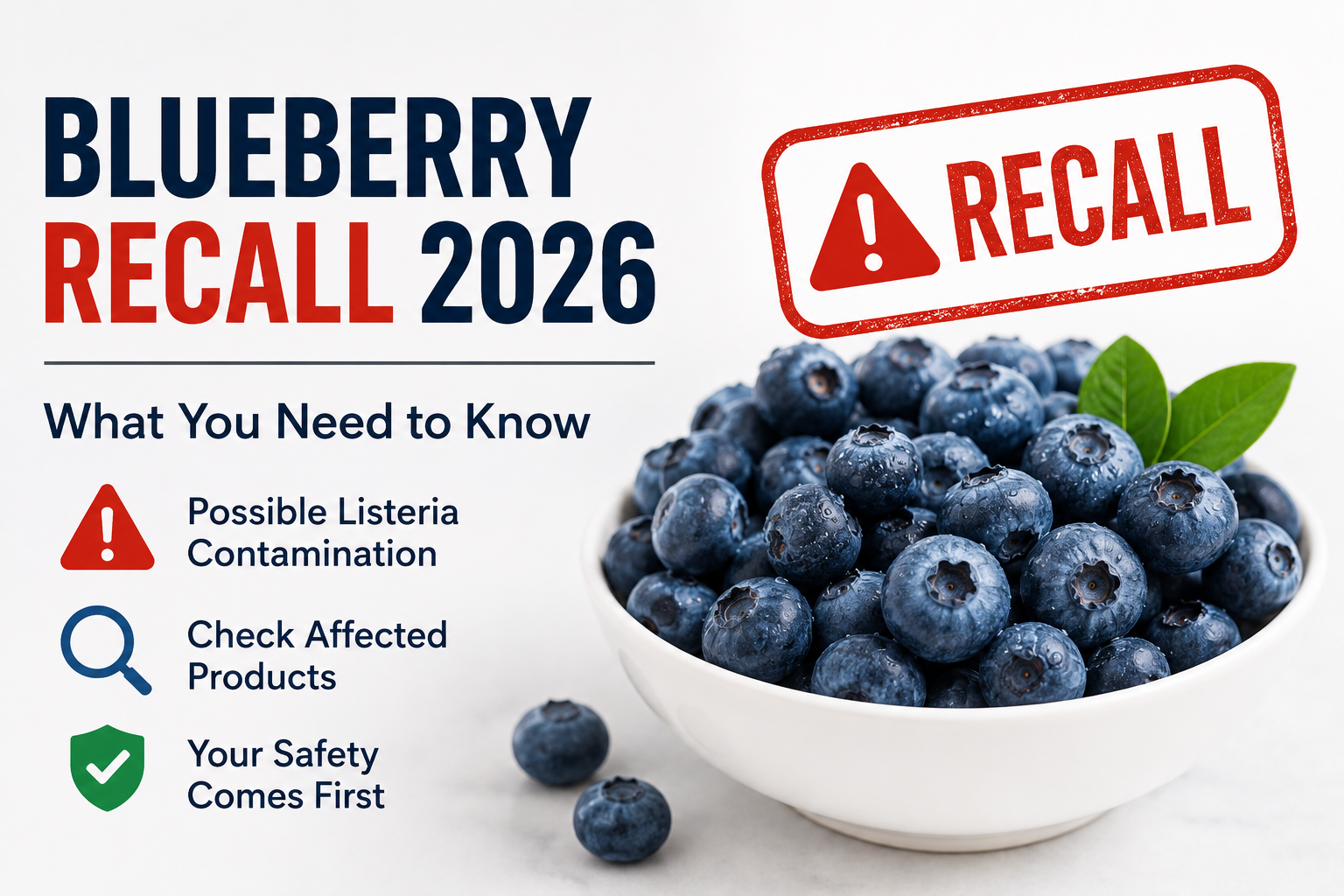
Food recalls are an important part of protecting public health, and the Blueberry Recall 2026 has recently attracted significant attention across North America. Reports of potentially contaminated frozen blueberries have raised concerns among consumers, food manufacturers, and health officials alike. While recalls are not uncommon in the food industry, this particular incident stands out because of the potential health risks associated with Listeria monocytogenes contamination.
Blueberries are widely recognized as one of the healthiest fruits available. They are packed with antioxidants, vitamins, and nutrients that support overall wellness. However, even healthy foods can become safety concerns when contamination occurs during production, packaging, or distribution. This is why food safety agencies take recalls seriously and act quickly when potential risks are identified.
In this article, we will explore the Blueberry Recall 2026 in detail, including what happened, why the recall was issued, the health risks involved, and what consumers and businesses should do moving forward.
What Is the Blueberry Recall 2026?
The Blueberry Recall 2026 involves approximately 55,689 pounds of frozen blueberries that were recalled due to concerns about possible contamination with Listeria monocytogenes. The recall was initiated by Oregon Potato Company, operating as Willamette Valley Fruit Company, and later received a Class I classification from the U.S. Food and Drug Administration (FDA), which represents the agency’s highest risk level.
A Class I recall indicates that there is a reasonable probability that consuming the affected product could result in serious health consequences or even death. This classification highlights the seriousness of the situation and the need for immediate attention from distributors and food industry professionals.
The recalled blueberries were distributed in Michigan, Oregon, Washington, Wisconsin, and parts of Canada. Unlike many food recalls, the affected products were not sold directly to consumers through retail grocery stores. Instead, they were distributed in large commercial packages intended for businesses and food manufacturers.
Why Were the Blueberries Recalled?
Food recalls typically occur when testing identifies a potential contamination risk. In this case, concerns emerged regarding the presence of Listeria monocytogenes, a dangerous bacterium that can survive in cold environments, including refrigeration and freezing conditions.
Listeria contamination is particularly concerning because frozen products may remain in storage for extended periods. Unlike some bacteria that struggle to survive in cold temperatures, Listeria can persist and continue posing a threat even when food remains frozen. This makes contamination incidents involving frozen foods especially serious.
The recall was initiated as a precautionary measure after testing raised concerns about possible contamination. Regulatory agencies and manufacturers often act quickly in such situations to prevent potential illnesses before they occur. This proactive approach is a key component of modern food safety systems.
Understanding Listeria Monocytogenes
Listeria monocytogenes is a foodborne bacterium that can cause an infection known as listeriosis. While healthy individuals may experience only mild symptoms, certain populations face significantly greater risks.
Pregnant women are among the most vulnerable groups affected by Listeria. Infection during pregnancy can lead to serious complications, including miscarriage, stillbirth, or severe illness in newborns. This is one reason health officials take Listeria outbreaks extremely seriously.
Older adults and individuals with weakened immune systems are also at higher risk. In severe cases, listeriosis can spread beyond the digestive system and affect the bloodstream or nervous system, leading to hospitalization or life-threatening complications.
Symptoms may include fever, muscle aches, nausea, diarrhea, headache, confusion, and stiff neck. Because symptoms can appear days or even weeks after exposure, identifying the source of infection can sometimes be challenging.
Which Blueberries Were Affected?
According to recall information released by regulatory agencies, the affected products consisted of individually quick frozen (IQF) blueberries distributed primarily through commercial supply chains. The products were packaged in 30-pound cases and 1,400-pound industrial totes.
Specific lot codes and expiration dates were identified to help businesses determine whether they received affected products. The recall focused on commercial distribution channels rather than traditional retail grocery outlets.
This distinction is important because most consumers are unlikely to have purchased these exact products directly. However, businesses that used the blueberries in baked goods, smoothies, desserts, or other food products needed to review their inventory carefully.
The recall demonstrates how food safety concerns can impact multiple levels of the supply chain, from growers and processors to distributors and food service providers.
Impact on Consumers and Businesses
Although the recalled blueberries were not sold directly in retail stores, the recall still generated widespread concern among consumers. News headlines emphasizing the FDA’s highest-risk classification naturally attracted public attention.
For businesses, the recall created operational challenges. Companies receiving affected products had to identify inventory, remove products from circulation, and ensure that contaminated blueberries were not used in food production. These actions help prevent potential exposure and protect public health.
Food recalls can also have financial consequences. Manufacturers may face disposal costs, supply chain disruptions, and reputational challenges. At the same time, transparent communication and rapid response efforts can help maintain consumer trust.
The incident serves as a reminder that food safety requires constant vigilance throughout every stage of production and distribution.
What Should Consumers Do?
Consumers should stay informed about food recalls by monitoring announcements from trusted health and food safety agencies. While the Blueberry Recall 2026 primarily involved commercial products, awareness remains important.
If consumers believe they may have consumed affected products through food service establishments or prepared foods, they should pay attention to any symptoms associated with listeriosis. Anyone experiencing concerning symptoms should consult a healthcare professional promptly.
Food safety experts also recommend proper food handling practices at home. Washing fresh produce, maintaining clean kitchen surfaces, and following storage recommendations can help reduce the risk of foodborne illness.
Remaining informed and cautious is one of the most effective ways consumers can protect themselves during food recall situations.
Lessons From the Blueberry Recall 2026
The Blueberry Recall 2026 highlights the importance of modern food safety monitoring systems. Routine testing and regulatory oversight play a critical role in identifying potential hazards before they become widespread public health emergencies.
The incident also demonstrates the effectiveness of recall procedures. Although the possibility of contamination was concerning, the recall process allowed regulators and businesses to take swift action and reduce potential exposure.
Another important lesson is the need for transparency. Consumers are more likely to trust food companies and regulatory agencies when information is communicated clearly and promptly.
As food supply chains become increasingly complex and globalized, robust safety standards will remain essential for protecting public health and maintaining confidence in the food industry.
The Future of Food Safety
Food safety technology continues to evolve. Advances in testing methods, supply chain tracking, and contamination detection are helping companies identify risks more quickly than ever before.
Artificial intelligence and digital monitoring systems are also improving traceability throughout the food production process. These technologies allow companies to identify affected products faster and execute recalls more efficiently.
The Blueberry Recall 2026 serves as a reminder that no food system is entirely risk-free. However, ongoing investments in safety procedures, employee training, and scientific innovation continue to strengthen protections for consumers.
As awareness of foodborne illnesses grows, both consumers and businesses are becoming more proactive about food safety practices. This trend will likely contribute to even stronger prevention efforts in the years ahead.
Conclusion
The Blueberry Recall 2026 became a major food safety story due to concerns over potential Listeria monocytogenes contamination in more than 55,000 pounds of frozen blueberries. The FDA’s Class I classification emphasized the seriousness of the situation and underscored the importance of rapid response measures.
While the affected products were primarily distributed through commercial channels rather than retail stores, the recall highlights the critical role of food safety systems in protecting public health. From testing and monitoring to communication and product removal, every step helps reduce potential risks.
Ultimately, the Blueberry Recall 2026 serves as an important reminder that food safety is a shared responsibility involving producers, regulators, businesses, and consumers. Staying informed and following best practices remain essential for ensuring a safe and reliable food supply.