


Introduction
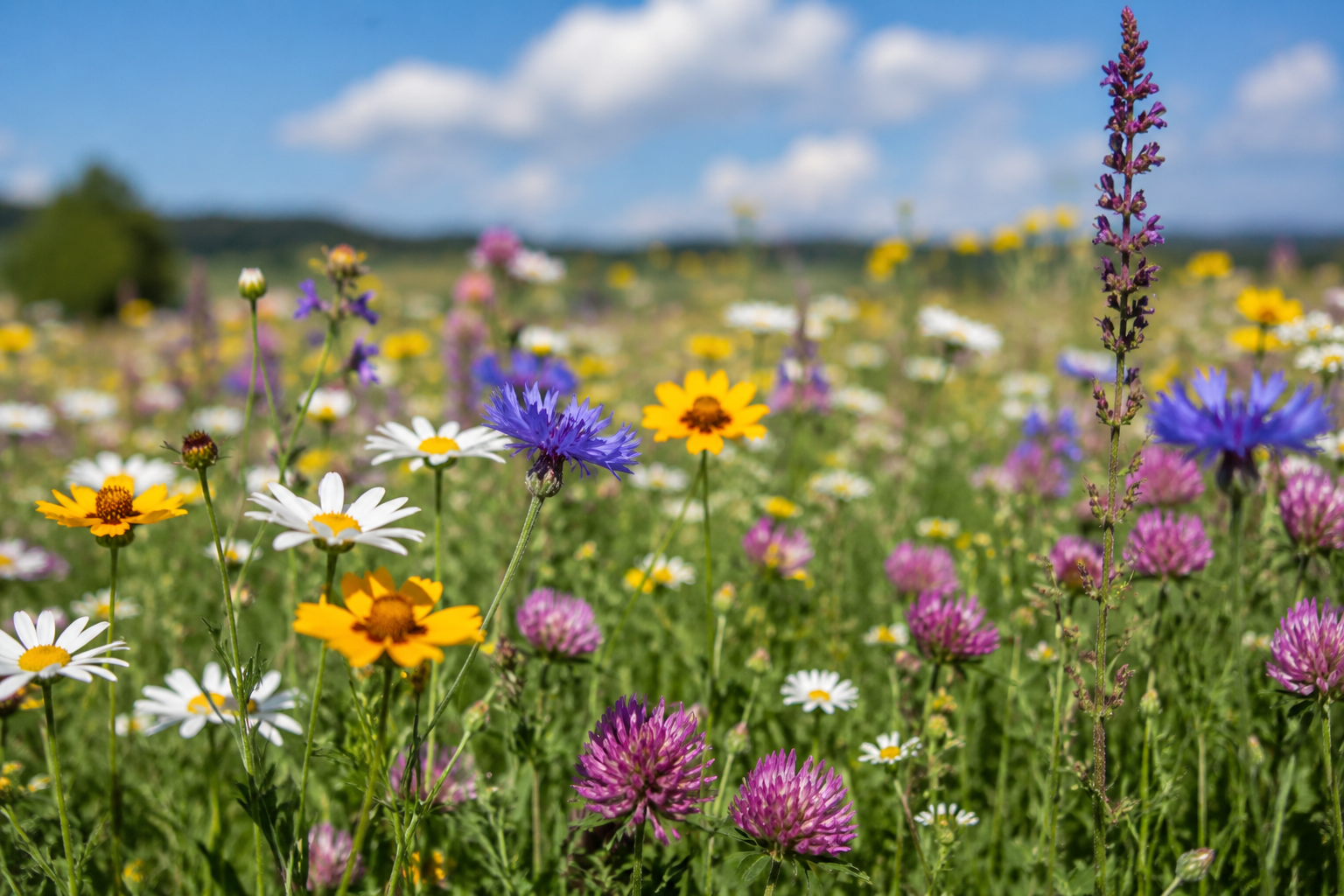
Wild flowers are among nature’s most beautiful creations, bringing vibrant colors and life to fields, forests, mountains, and roadsides across the world. Unlike cultivated garden flowers, wild flowers grow naturally without being intentionally planted, making them an essential part of healthy ecosystems. Their seasonal blooms create breathtaking landscapes while providing food and shelter for countless pollinators and wildlife species.
People appreciate flowers for more than just their beauty. These resilient plants help improve biodiversity, support bees and butterflies, reduce soil erosion, and contribute to healthier natural environments. Many gardeners are now choosing to grow native wild flowers because they require less maintenance and are well adapted to local climates.
In this guide, you’ll discover what wild flowers are, why they are important, the benefits they provide, and how you can successfully grow them in your own outdoor space.
What Are Wild Flowers?
Wild flowers are flowering plants that grow naturally in their native habitats without deliberate cultivation. They thrive in meadows, woodlands, mountains, deserts, wetlands, and grasslands, adapting to different climates and soil conditions over many generations.
Unlike ornamental flowers grown in formal gardens, wild flower develop naturally as part of local ecosystems. Their ability to survive without intensive care makes them an excellent example of nature’s resilience and diversity. Many species bloom at different times of the year, ensuring a continuous supply of nectar for pollinating insects.
Wild flowers exist in thousands of varieties worldwide. Depending on your region, you may encounter colorful poppies, daisies, bluebells, lupines, black-eyed Susans, cornflowers, Indian paintbrushes, and countless other native species that create spectacular natural displays.
Why Wild Flowers Are Important
One of the greatest benefits of wild flowers is their role in supporting pollinators. Bees, butterflies, hummingbirds, and many beneficial insects rely on nectar and pollen from native flowering plants to survive. Healthy wild flower populations help maintain balanced ecosystems by supporting these important species.
Wild flower also contribute to environmental health by improving soil quality and reducing erosion. Their root systems stabilize the ground while increasing biodiversity in natural habitats. Areas rich in flowers often support a greater variety of insects, birds, and small mammals.
Another reason wild flowers are valuable is their adaptability. Because they have evolved naturally in local climates, many species require less watering, fertilizer, and maintenance than traditional garden plants. This makes them an environmentally friendly option for sustainable landscaping.
Popular Types of Wild Flowers
There are countless species of wild flowers, each offering unique colors, shapes, and blooming seasons. Bright red poppies are famous for creating dramatic landscapes, while cheerful daisies are loved for their simple beauty and ability to thrive in open fields.
Bluebells and lupines are popular in woodland and mountain environments, producing stunning displays during spring and early summer. Black-eyed Susans, purple coneflowers, and blanket flowers are also well known for attracting butterflies and bees while adding vibrant color to natural gardens.
Choosing native wild flower for your region helps support local wildlife while ensuring the plants thrive with minimal care. Native species are naturally adapted to local weather conditions, making them an excellent choice for eco-friendly gardens.
Benefits of Growing Wild Flowers
One of the greatest advantages of planting wild flowers is that they help create healthier ecosystems. Native flowering plants provide nectar and pollen for bees, butterflies, moths, hummingbirds, and many other pollinators. By supporting these species, wild flowers contribute to stronger biodiversity and healthier natural environments.
Another major benefit is their low-maintenance nature. Once established, many wild flower require less watering, fertilizer, and care than traditional ornamental garden plants. Because they are naturally adapted to local climates, they often thrive with minimal intervention, making them an excellent choice for sustainable landscaping.
Wild flowers also add remarkable beauty to outdoor spaces. Their natural mix of colors, heights, and blooming seasons creates vibrant gardens that change throughout the year. Whether planted in a backyard, along pathways, or in larger meadows,flowers provide year-round visual interest while attracting beneficial wildlife.
How to Grow Wild Flowers Successfully
Growing wild flowers begins with selecting species that are native to your region. Native plants are more likely to thrive because they are already adapted to the local soil, climate, and rainfall patterns. Choosing the right varieties also benefits local pollinators and wildlife.
Proper site preparation is another important step. Remove weeds, loosen the soil, and ensure the planting area receives the appropriate amount of sunlight for the selected species. While some wild flower prefer full sun, others grow best in partial shade or woodland environments.
After planting, water the seeds or young plants regularly until they become established. Once mature, many wild flowers become remarkably drought tolerant. Avoid excessive fertilization, as native species often perform best in moderately fertile or even nutrient-poor soils.
Common Mistakes to Avoid
One common mistake is planting non-native species that may struggle in the local environment or compete with native plants. Selecting regional wild flowers improves survival rates while supporting local ecosystems and pollinators.
Another mistake is overwatering. Although young plants require moisture during establishment, many mature flowers naturally tolerate dry conditions. Excessive watering can sometimes encourage disease or weaken plants that are adapted to less frequent rainfall.
Gardeners should also avoid removing plants immediately after flowering. Many wild flowers produce seeds that naturally spread and help create larger displays in future growing seasons. Leaving seed heads in place for a while also provides food for birds and other wildlife.
Wild Flowers in Landscaping
Modern landscaping increasingly incorporates wild flowers because they combine beauty with environmental benefits. Instead of maintaining large areas of traditional lawn, many homeowners now establish wildflower gardens that require fewer resources while supporting local biodiversity.
Wild flower also work well along fences, pathways, roadsides, and natural borders. Their varied heights and colorful blooms create attractive, informal landscapes that blend naturally with the surrounding environment. Seasonal flowering patterns ensure continuous color from spring through autumn.
In addition to residential gardens, wild flowers are widely used in parks, public spaces, nature reserves, and restoration projects. Their ability to stabilize soil, attract wildlife, and enhance natural beauty makes them valuable in both decorative and conservation-focused landscapes.
Frequently Asked Questions About Wild Flowers
Many people ask whether wild flowers are easy to grow. In most cases, the answer is yes. Once established, many native wild flower species require very little maintenance because they are naturally adapted to local weather conditions and soil types. Choosing species native to your region usually results in the healthiest and most successful garden.
Another common question is whether wild flowers attract pollinators. They certainly do. Bees, butterflies, hummingbirds, and many other beneficial insects rely on wild flowers as an important source of nectar and pollen. Planting a diverse selection of native flowers can significantly improve the biodiversity of your garden.
People also wonder if flowers can be grown in small spaces. Absolutely. Even a small flower bed, balcony planter, or container garden can support certain wild flower species. Selecting compact native varieties allows gardeners with limited space to enjoy colorful blooms while helping local pollinators.
Tips for Maintaining Wild Flowers
To keep your wild flowers healthy, remove invasive weeds regularly during the early stages of growth. Reducing weed competition gives young plants the best opportunity to establish strong root systems and produce vibrant blooms.
Water newly planted wild flowers consistently until they become established. Afterward, most native species require far less irrigation than traditional garden flowers. This makes them an environmentally friendly choice for gardeners looking to conserve water.
Finally, allow some flowers to complete their natural life cycle by producing seeds. This encourages natural reseeding, supports birds that feed on seeds, and helps create even more beautiful displays of wild flowers in future growing seasons.
Conclusion
Wild flowers offer far more than colorful landscapes. They play a vital role in supporting pollinators, improving biodiversity, reducing soil erosion, and creating healthier natural ecosystems. Their ability to thrive with minimal maintenance makes them an excellent choice for environmentally friendly gardens and sustainable landscaping.
Whether you’re planting a small flower bed or creating a large meadow, flowers provide lasting beauty while benefiting local wildlife. Their wide variety of colors, shapes, and blooming seasons ensures there’s always something interesting to enjoy throughout the year.
By choosing native wild flowers, preparing your planting area properly, and following simple maintenance practices, you can create a vibrant outdoor space that supports nature while adding beauty to your surroundings for many seasons to come.